
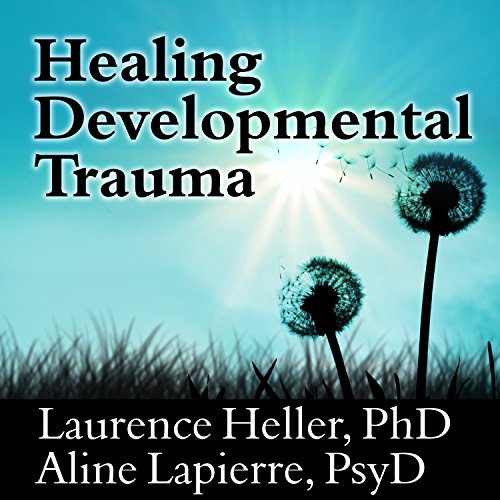
Only lately have I began to recognize how much I felt I had to become needless as a child due to my own emotional neglect at the hands of parents similarly neglected… I have been helped this week to reading a very good book on Healing Developmental Trauma by Laurence Heller and Aline LaPierre. I wanted to refer to some of what I found that happens to us in terms of attachment wounding and mother bonding that makes relating hard and knowing what we truly feel, want and need almost impossible too as well as the expression of need due to it becoming BOUND IN ABANDONMENT FEAR AND SHAME.
If you had an interruption in the maternal bond or if your mother never bonded securely to her own Mum, or like my Mum, lost a parent as a child then there will be difficulties in her capacity to attune to you, allow you your need expression and provide for those needs with the following results.
- Expressing need and want becomes too difficult
- The ability to know what you need and and want is impaired
- The ability to express what you need and want is impaired
- The capacity take in and integrate experiences of caring and love is significantly compromised
- The ability to bond and feel connected to a trusted other becomes limited
- The ability to manage intense affect becomes dysregulated. The younger you are at the time of attachment and nurturing disruptions, the more pervasive the impact of dysregulation. In particular the CAPACITY FOR PLEASURE BECOMES COMPROMISED
- Cognitions become distorted by attachment loss (wounds) and deprivation (neglect). On a cognitive level, children try to make sense of their painful experience. Children whose basic needs are .. deprived or unmet COME TO BELIEVE THERE IS SOMETHING WRONG WITH THEIR NEEDS (and expression of needs/emotions) As adults they hold the belief that they are not deserving or entitled to express their needs or experience their fulfillment.
- In attempts to self regulate they become susceptible to eating disorders or addictions.
With such developmental or attachment trauma, we then find it hard to know how to attune to, express, accept and meet our own needs as adults. This leads us either to become someone who inhibits themselves and their needs or alternativey tends to remain perpetually unsatisifed on any level at all, becoming very demanding of others. Some of may then tend to develop what is called a ‘prism of scarcity’ in the world and tend to keep longing for fulfillment of needs while denying that same need fulfillment.. A very very painful catch 22 situation..
In addition the development of the ‘giving to get’ pattern may occur as we project the entire dilemma. Individuals who seek this survival strategy to cope with early neglect, need deprivation or lack of attunement tend to over attune to others and their needs and become frustrated and angry when others do not do that for them, because they never learned to take the risk of articulating them in the first place. With this wound we feel ashamed for needing and may only express frustration of such need via anger which ends up alienating others who do not understand the reason for the anger. Neediness has become covert in this instance as the person will not allow it..
Healing of the trauma involves coming to understand why we adopted the survival strategy we did and working to change it via honest expression. It means facing the fact that strong feelings around need often get buried underneath emotional collapses into sadness or grief as well.. The grief we feel may speak to us of the needs, wants and longings we denied or buried or had frustrated in childhood.
Healing involves leaning to take the risk of experiencing and expressing feelings and needs appropriately, even as we experience the bound up abandonment fear and shame associated with split off need. Part of getting past the fear involves recognizing that the abandonment we so fear ALREADY HAPPENED IN THE PAST, and that self abandonment means not owning up to the truth or risking change.
Recognition of our own aggressiveness or hostility when need is denied or thwarted is also essential to healing as we may tend to project and act it out together with all of the bound up pain and longing we had to bury in childhood. A therapeutic relationship with a well attuned therapist may, for many of us, be the safest place to explore such buried, hidden, or denied feelings and needs..
 Emerging From The Dark Night
Thanks for sharing this. I will check the book out.
It can sometimes feel like a lifelong struggle to keep the past in the past, and to remember that this is ‘now’, and we’re grounded in the present.
LikeLiked by 2 people
Its a brilliant resources studying the six developmental stages and what may go wrong during each. Well worth a look to understand attachment trauma and problems maturing as our True Selves.
LikeLiked by 2 people
Thank you for sharing this. I feel it can be quite difficult for us to find our reality.
LikeLiked by 1 person
Very and this is just one of he developmental arrests..thete are 6 in all. Faulty parenting really makes living as our True Selves tough. It’s an excellent book.
LikeLiked by 1 person
It sounds very helpful, I’ve added it to my reading list.
LikeLiked by 1 person